Advanced Minimally Invasive Craniotomy (Keyhole Brain Surgery)
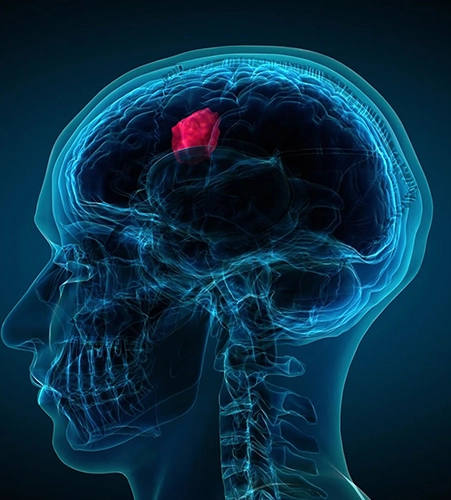
Brain tumor surgery is often a good way to help. It can lower pressure in the brain. It can also take out the tumor or help doctors learn more about it. Doctors usually suggest surgery if a tumor is causing problems. Or, if it's in a spot that's safe to reach. Today's brain surgery aims to remove as much of the tumor as safely possible. But it also works hard to keep your brain working normally. Our skilled brain surgeons use special tools and careful plans. They make sure not to harm areas that control talking, seeing, or moving. The surgical approach will be dictated by the nature of the tumor, its grade, as well as its pattern of growth and its relationship to vital structures. At Chennai Neuroscience Foundation, our team first checks each patient carefully. This helps us decide the best surgery for them. It could be open surgery, or a less invasive type, or even using an endoscope.
Dr.Kodeeswaran Marappan leads our surgery team. He's very skilled, with over 5,000 successful brain surgeries done. He handles tough cases like aneurysms, childhood tumors, and spine issues with top-level safety and precision. His skills mean patients get precise treatment. They also heal faster and have fewer problems from the surgery. Beyond surgery, our team works closely with other experts. These include recovery specialists, imaging doctors, and anaesthesia doctors. We all work together to give you full support. We think that tumor surgery should not concern only resection but should focus on recovering life quality and safeguarding cognitive health in the long term. Every process is carried out with clarity, accuracy, and compassion, which is the juncture of our care at Chennai Neuroscience Foundations.
Types of Advanced Brain Tumor Removal Surgeries in Chennai
Glioblastoma Surgery
Glioblastoma is a brain tumor that grows very fast. It's also very aggressive. Surgery tries to remove as much of it as possible. We use special methods like image-guided surgery or "awake" surgery. After surgery, patients usually get chemo and radiation. This helps them get better results.
Craniotomy (Microsurgical)
This is a common brain surgery. Doctors carefully remove a piece of bone from the skull. This lets them reach the tumor with great care.
Minimally Invasive/Keyhole Surgery
This type of surgery uses small cuts. It causes less harm to the body. This makes these brain surgeries safer. Patients also heal much faster.
Endoscopic Transnasal Surgery
This surgery is for tumors near the nose or at the base of the skull. Doctors go through the nose. This means they don't need to open the skull at all.
Awake Craniotomy
Performed while the patient is conscious to preserve speech or motor function during tumor removal.
Image-guided and Robotic-assisted Surgeries
Advanced navigation systems improve accuracy in craniotomy procedures and minimally invasive brain tumor surgeries.
Advanced Techniques For Safer Brain Tumor Resection in Chennai
Intraoperative MRI & CT
Intraoperative MRI and CT scans are real-time scans that direct the craniotomy surgery by ensuring our surgeons are on the boundaries of the tumor and residual mass. The mentioned tools make the surgical process more accurate when performing a craniotomy to remove a glioblastoma or supratentorial tumor, contributing to a better postoperative condition and causing minimal healthy brain tissue damage.
Neuro-navigation Systems
Neuro-navigation systems serve as the GPS in brain tumor surgeries and help a surgeon in navigating through the complicated craniotomy procedures. These systems assist in identifying the position of deep-seated tumors, minimize the risk of surgery, and facilitate burr hole craniotomy or suboccipital access trajectories by mapping the brain in 3D.
Functional Brain Mapping
Functional mapping as used in awake craniotomy locates eloquent brain regions that control speech, movement, and vision. This allows us to avoid critical areas when resecting a tumor, particularly in the case of glioblastoma or frontal craniotomy, where millimeter precision can mean the difference between preservation of neurological functioning after surgery or not.
Intraoperative Neuro-monitoring (IONM)
IONM is used to constantly monitor the activity of the brain, spinal cord, and nerves in real-time during tumor removal. In AVM craniotomy for chiari malformation decompressive craniectomy, it is extremely essential that vital neural pathways are not damaged in craniotomy surgery in and around functional or high-risk zones.
Fluorescence-guided Surgery
Fluorescence-guided surgery is a technique of increasing the visibility of tumors intraoperatively with the help of such agents as 5-ALA in the case of glioblastoma craniotomy. This technology enables the identification of malignant cells under blue light, which enables the surgeon to resect as much of the malignant tissue as is safely possible, without damaging healthy tissue, in complicated craniotomies, such as supratentorial and image-guided surgery.
Craniotomy Pre-Surgical Workup & Post-Op Care Chennai
Pre-surgical Workup
- Clinical and Neurological Assessment
- Blood Investigations and Pre-Anesthesia Clearance
- High-resolution MRI and CT Brain Imaging
- Functional Brain Mapping (If Tumor Is Near Eloquent Areas)
- Craniotomy Procedure Planning with Neuro-navigation
- Patient Counseling and Consent Process
Monitoring Vital Functions and Brain Response
- Intraoperative Neuro-monitoring (IONM)
- Real-time EEG and Evoked Potentials Monitoring
- Continuous Blood Pressure and Oxygenation Tracking
- Fluorescence-guided Tumor Visualization
- Awake Response Testing During Awake Craniotomy
- Core Body Temperature and ICP (Intracranial Pressure) Monitoring
Intensive Post-operative Care
- Neuro-ICU Observation and Ventilation Support
- Post-craniotomy Imaging for Tumor Resection Status
- Seizure Monitoring and Prophylactic Medication
- Wound Care and Cranioplasty Follow-up (If Needed)
- Physiotherapy and Neurological Rehab Support
- Continuous Cognitive and Behavioral Assessment
Early Brain Tumor Symptoms & Surgery Evaluation Timeline
Early Symptoms That Need Evaluation
Regular headaches, visual aberrations, seizures, or abnormality of memory should be urgently explored to exclude tumors of the brain or pressure phenomena.

Timeline Of Surgical Decision-Making
Following established tumor presence upon imaging, operative planning relies on site, extent, grade, and symptom progression in the short term.
Second-Opinion & Consultation Possibilities
If unsure about the treatment course, request a second opinion to have knowledge of surgical risks, alternatives, and personalized brain tumor plans.
Minimally Invasive Techniques
Keyhole and endoscopic approaches reduce incision size, minimize blood loss, and promote faster postoperative recovery
Why Chennai Neuroscience Foundation For Brain Tumor Surgery?
Expertise In Craniotomy Techniques
We perform supratentorial, suboccipital, and burr hole craniotomy procedures with precision, ensuring safe and effective tumor access.
Advanced Image-Guided Surgery
During brain operations, we use special real-time images. These images act like a GPS for the brain. They help our surgeons remove as much of the tumor as possible. This also helps keep the healthy parts of your brain working as they should.
Neuro-ICU and Recovery After Surgery
After brain tumor surgery or skull repair (cranioplasty), patients go to our special brain intensive care unit (Neuro-ICU). We also create personal recovery plans, like physical therapy. This helps make sure you have a strong and good recovery.
Our Cashless Insurance Partners
-

VIDAL Health Insurance TPA Ltd
-

Medi Assist India TPA
-

Medsave Health Insurance TPA Ltd
-
Vipul MedCorp Insurance TPA Pvt Ltd
-
Meadvantage TPA
-

Genins India TPA
-

Health Insurance TPA
-

Alankit Insurance TPA Ltd
-

Health India Insurance TPA
-

Ericson General Insurance
-

New India Insurance
-

United India Insurance
-

Oriental Insurance
-
Aditya Birla Health Insurance
-

Bajaj Allianz General Insurance
-

Cholamandalam MS General Insurance Co Ltd
-

Future Generali Insurance
-

ICICI Lombard
-

Iffco Tokio Health Insurance
-

Liberty General Insurance
-

Manipal Cigna TTK Ltd
-

Reliance General Insurance
-

Care Health Insurance
-

Royal Sundaram Insurance
-

Universal Sompo General insurance co ltd
-

Galaxy Health Insurance
-

Good Health TPA
-

MD India TPA
-

Paramount TPA
-

Tata AIG
-

Family Health Plan (FHPL)
-

Heritage Health Insurance TPA
-

Volo Health Insurance (East–West TPA)
-

Chief Minister Scheme
-
Tamil Nadu Govt Employee Scheme
-
TN Govt Retired Employee Scheme
-
National Insurance
-

HDFC ERGO General Insurance Co Ltd
-

Go Digit General Insurance
-

Star Health and Allied insurance Co Ltd
-

Niva Bupa Health Insurance
-

Raksha Health Insurance TPA
Choose CNS for Safe Brain Tumor Surgery in Chennai
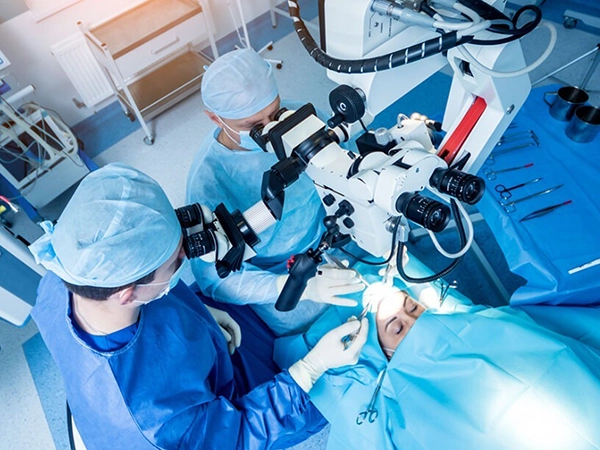
Trust Chennai Neuroscience Foundations for advanced brain tumor surgeries. From craniotomy to minimally invasive options, our surgical precision ensures safety, accuracy, and faster recovery for every patient we serve.
EMERGENCY CARE
+91 96000 48121